

 Joe Moser - CEO
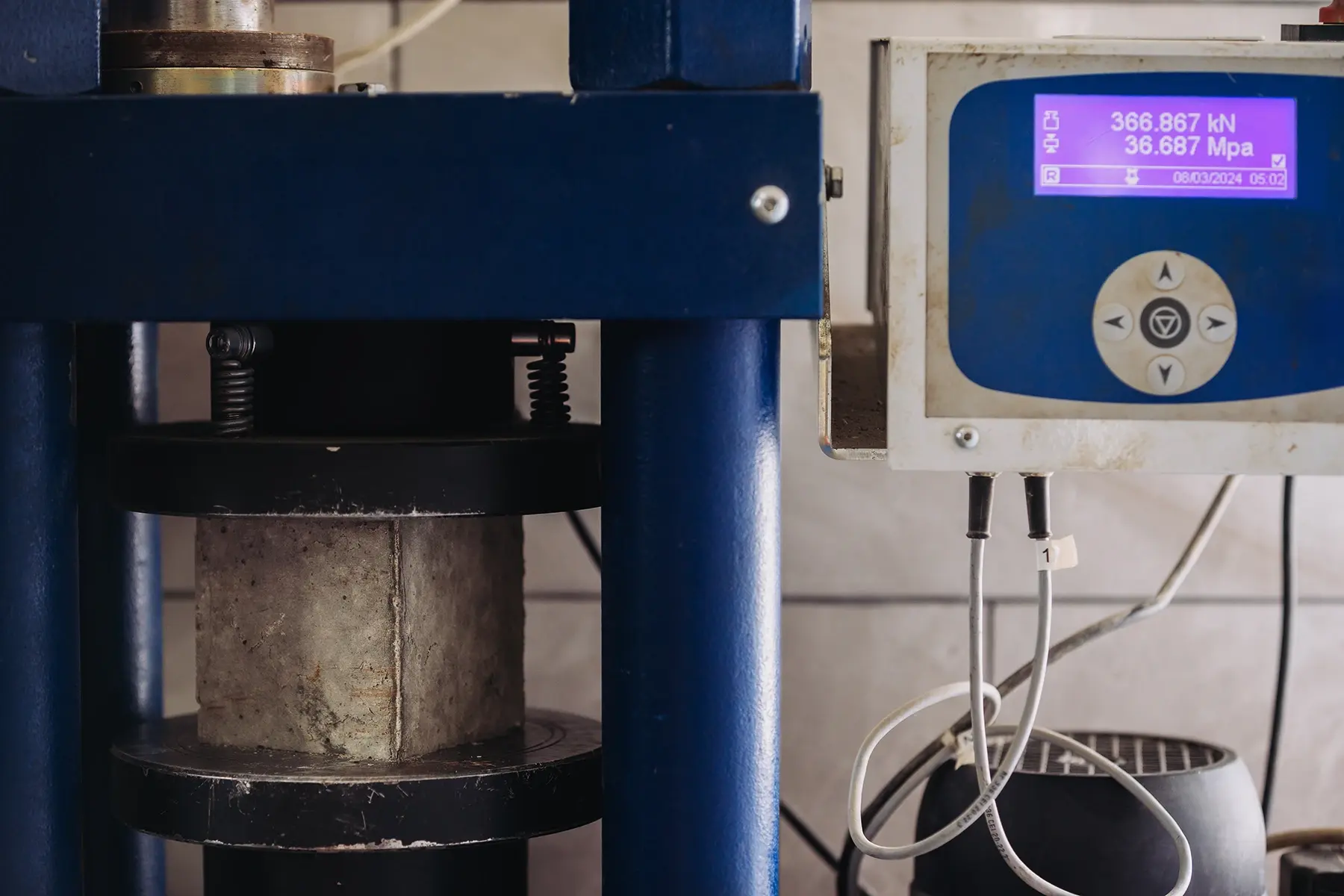
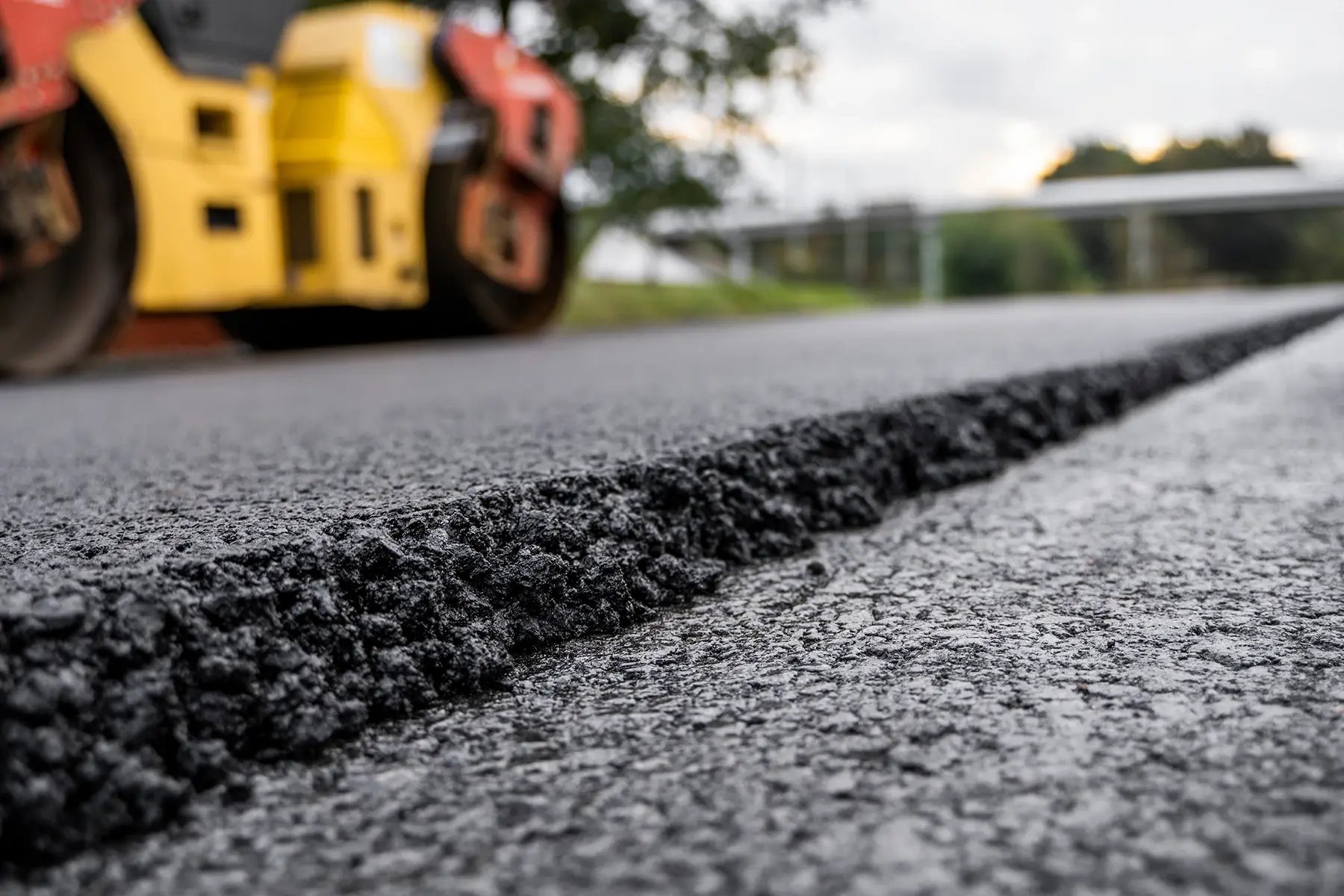
If you've mastered the calibration of your concrete testing machines, congratulations—you've conquered a critical piece of the puzzle. But here's the reality: construction materials testing doesn't end at concrete. Asphalt and soil testing equipment present their own unique calibration challenges, requirements, and quirks that demand specialized attention. Treating them like "just another compression machine" is a recipe for inaccurate results and failed audits. This guide will walk you through what makes these equipment types different, why those differences matter, and how to approach their calibration with the precision they demand.
Why Asphalt and Soil Equipment Require Special Attention
While the fundamental principle of calibration remains the same—ensuring your equipment measures what it claims to measure—the devil is in the details. Asphalt and soil testing equipment operate under different conditions, measure different properties, and are subject to different standards than concrete testing machines.
Temperature's Critical Role in Asphalt Testing
Asphalt is a temperature-sensitive material. Unlike concrete, which is typically tested at ambient temperature, asphalt testing often involves elevated temperatures—sometimes exceeding 300°F (150°C) for mixing and compaction simulations. This means your equipment isn't just measuring force or dimension; it's doing so in a thermal environment that can significantly affect sensor accuracy, mechanical components, and even the calibration standards themselves. Temperature controllers, ovens, and hot plates become critical calibration points, not afterthoughts.
Soil's Variable Nature and Complex Properties
Soil testing presents a different challenge: incredible variability. You're dealing with materials that can range from fine clays to coarse gravels, each requiring different testing approaches. Soil testing equipment must accurately measure properties like moisture content, density, shear strength, and compaction—often under conditions that involve significant forces and pressures. The equipment must maintain accuracy across this wide range of materials and test conditions, making calibration even more critical to ensure consistency.
Asphalt Testing Equipment: Navigating Heat and Precision
Let's dive into the specific equipment you'll encounter in asphalt testing and what makes their calibration unique.
Marshall Stability Testing Machines
The Marshall stability test is a cornerstone of asphalt mix design, measuring the resistance of compacted asphalt to deformation. The testing machine applies a compressive load to a cylindrical specimen at a controlled rate while the specimen is held at a specific temperature (typically 140°F or 60°C).
Calibration considerations:
- The load cell must be verified across the range you'll actually use, typically up to 20-30 kN, following ASTM D6927 or AASHTO T 245
- Flow measurement (the deformation at maximum load) requires precise displacement sensor calibration, often using gauge blocks or displacement standards
- Temperature control is critical—the water bath or environmental chamber must maintain ±1°F (±0.5°C) of the target temperature, requiring regular temperature sensor calibration with traceable standards
- The loading head geometry and rate of loading must be verified, as even small variations can significantly impact results
Gyratory Compactors
Modern asphalt mix design heavily relies on the Superpave gyratory compactor, which simulates field compaction by applying a vertical load while simultaneously rotating (gyrating) the specimen.
Calibration considerations:
- Vertical ram pressure must be calibrated, typically to 600 kPa, using a calibrated load cell or pressure transducer that can withstand the repetitive loading cycles
- The gyration angle (typically 1.25°) requires precise verification using specialized angle measurement tools or digital inclinometers—even a 0.1° deviation can affect density results
- Height measurement systems (tracking specimen height during compaction) need calibration with precision gauge blocks
- Mold dimensions and plate geometry must be verified, as even small deviations in diameter or flatness can affect specimen dimensions and density calculations
- Gyration rate must be verified at the specified 30 revolutions per minute, as variations in speed can affect how the mix responds to compaction
- Unlike static equipment, the dynamic nature of gyratory compactors means calibration must account for the equipment's performance under actual operating conditions, not just at rest
Asphalt Ovens and Temperature Control Equipment
Ovens for asphalt aging (like the Rolling Thin Film Oven or Pressure Aging Vessel) and mixing temperatures aren't just "heat boxes"—they're precision instruments that must maintain very specific thermal conditions.
Calibration considerations:
- Temperature uniformity throughout the oven chamber is critical and should be mapped using multiple calibrated thermocouples or RTDs placed at various locations
- Both set-point accuracy and temporal stability must be verified—an oven that cycles ±10°F around the target temperature will give different results than one maintaining ±2°F
- For convection ovens, airflow patterns can affect temperature distribution and must be considered during calibration
- ASTM E2847 provides guidance on temperature uniformity surveys for laboratory ovens
- Calibration should be performed at the actual operating temperatures you use, not just at a single point
Viscometers and Rheometers
Asphalt binder characterization requires measuring its flow and deformation properties at various temperatures, using rotational viscometers or dynamic shear rheometers (DSR).
Calibration considerations:
- Torque sensors in rotational viscometers must be calibrated across their operating range, often using precision weights and pulleys or calibrated torque wrenches
- Temperature control systems require verification with calibrated thermocouples positioned near the sample—a few degrees of error can change viscosity readings by an order of magnitude
- For DSRs, gap setting (the distance between test plates) must be precisely calibrated using gauge blocks, as specified gaps (often 1-2mm) are critical to calculations
- Rotational speed/frequency calibration ensures the shear rate or oscillation frequency is accurate
Asphalt Content Extraction and Ignition Ovens
Determining how much asphalt binder is in a mix requires either solvent extraction or ignition ovens that burn off the binder.
Calibration considerations:
- Ignition ovens must maintain precise temperatures (typically around 538°C) with good uniformity
- The balance used to weigh specimens before and after must have sufficient resolution (typically 0.1g) and be calibrated across the mass range of your specimens
- Correction factors for aggregate loss during ignition must be verified periodically using known samples
Soil Testing Equipment: Precision in the Dirt
Soil testing might seem less "high-tech" than some other testing, but the equipment demands just as much calibration rigor.
Proctor Compaction Equipment (Standard and Modified)
Proctor tests determine the optimal moisture content and maximum dry density of soil, fundamental parameters for earthwork quality control.
Calibration considerations:
- The compaction hammer must be verified for drop height (12 inches for standard, 18 inches for modified Proctor) and mass (5.5 lbs or 10 lbs depending on the test), following ASTM D698 or D1557
- Drop height can be measured with a calibrated ruler or depth gauge, but consistency is key—worn guides or mechanisms can cause variability
- The mold dimensions (especially volume) should be verified periodically using volumetric standards or by measuring with calipers and calculating
- Scales for measuring soil mass and moisture must be calibrated appropriately—moisture balances need special attention as they combine heating and mass measurement
Triaxial and Direct Shear Testing Systems
These sophisticated systems measure soil strength parameters by applying controlled stresses and measuring resulting strains and deformations.
Calibration considerations:
- Load cells for axial and sometimes lateral forces require full-range calibration following force calibration standards
- Pressure transducers or gauges measuring cell pressure and pore water pressure need calibration across their full range, often with deadweight testers or precision pressure controllers
- Displacement transducers (LVDTs, LDTs) measuring axial and radial deformation require calibration with micrometer-driven displacement standards
- Volume change devices (if used) need calibration for accurate volume measurement
- The entire load frame must be verified for alignment and friction effects that could introduce errors
California Bearing Ratio (CBR) Testing Machines
CBR tests evaluate soil strength for pavement design, measuring the force required to penetrate soil at a controlled rate.
Calibration considerations:
- Load cells or proving rings must be calibrated for the specific loading range, typically up to 50 kN
- Penetration rate (1.27 mm/minute) must be verified and controlled—many machines have mechanical or electronic rate controls that need checking
- Penetration depth measurement requires calibration, typically using dial indicators or electronic displacement sensors verified against gauge blocks
- The penetration piston diameter must be verified as it's critical to stress calculations
Nuclear Density Gauges
These devices use radioactive sources to measure soil density and moisture content in the field and sometimes in the lab.
Calibration considerations:
- These devices require both performance checks (using standard reference blocks provided by the manufacturer) and annual certifications as required by radiation safety regulations
- The reference standards themselves have known densities traceable to national standards
- While users typically can't recalibrate the internal workings, regular verification against control standards is essential
- Documentation is particularly critical due to regulatory requirements
- Environmental factors (surface texture, air gaps) can affect readings even when the gauge is properly calibrated
Moisture Content Determination Equipment
Accurate moisture content is fundamental to nearly all soil testing, affecting everything from compaction to strength.
Calibration considerations:
- Ovens used for oven-drying methods must maintain the specified temperature (typically 110±5°C) uniformly throughout
- Balances require calibration across the mass range of specimens, with sufficient resolution (often 0.01g or better)
- Moisture balances that combine heating and weighing need calibration of both temperature and mass measurement functions
- For microwave ovens (sometimes used for rapid moisture determination), temperature distribution and power output verification become important
- Desiccators and storage conditions can affect results, so even these supporting elements need attention
Sieve Analysis Equipment
Particle size distribution is fundamental to soil classification and many design parameters.
Calibration considerations:
- Each sieve's opening size must be verified using calibrated glass beads or wires that meet ASTM E11 standards
- Mechanical sieve shakers require verification that they provide consistent, adequate agitation
- Balances must be calibrated for the mass range of your samples
- Sieve wear over time is inevitable—regular verification catches problems before they affect your results
Standards That Govern Asphalt and Soil Equipment Calibration
You can't calibrate in a vacuum—you need to know what standards apply.
ASTM Standards
ASTM provides the foundational calibration requirements for most construction materials testing:
- ASTM E4: Practices for Force Verification of Testing Machines (applies to compression and load-measuring devices)
- ASTM E1: Specification for ASTM Liquid-in-Glass Thermometers (for temperature verification)
- ASTM E220: Test Method for Calibration of Thermocouples by Comparison Techniques
- ASTM D698/D1557: Include specific equipment requirements for Proctor compaction
- ASTM D2166, D4767: Include equipment specifications for soil strength testing
- Individual test methods often include specific equipment calibration or verification requirements
AASHTO Standards
The American Association of State Highway and Transportation Officials publishes many standards parallel to ASTM:
- AASHTO T 245: Similar to ASTM D6927 for Marshall stability apparatus
- AASHTO R 30: Standard Practice for Mixture Conditioning of Hot Mix Asphalt
- AASHTO M 231: Specification for Weighing Devices Used in Testing Materials
- State DOTs often reference AASHTO standards in their specifications and may have additional requirements
Manufacturer Specifications
Equipment manufacturers often provide specific calibration procedures and tolerance requirements in their manuals. These aren't optional suggestions—they're often the most precise guidance available for that particular model. Always consult the manufacturer's documentation alongside the test method standards.
Common Calibration Pitfalls and How to Avoid Them
Even experienced technicians can fall into these traps with asphalt and soil equipment.
Neglecting Temperature Effects
This is the #1 mistake with asphalt equipment. Calibrating load cells or sensors at room temperature when they'll operate at 140°F or higher doesn't account for thermal expansion, sensor drift, or material property changes. Always calibrate at operating temperature when possible, or at minimum, understand and document the temperature effects on your measurements.
Assuming "Close Enough" with Temperature Uniformity
An oven that reads 325°F on the controller might have spots that are 310°F and others that are 340°F. For temperature-sensitive materials like asphalt, this variability directly translates to result variability. Always perform temperature uniformity surveys—don't just trust the controller display.
Overlooking Dynamic vs. Static Calibration
A gyratory compactor's vertical load might be perfect when measured statically, but what happens when it's gyrating at 30 RPM? Dynamic forces, vibrations, and mechanical wear can all affect performance. Some equipment needs verification under actual operating conditions, not just when sitting still.
Forgetting About Supporting Equipment
You diligently calibrate your compression machine but use an uncalibrated stopwatch to time loading rates, or an unverified thermometer to check specimen temperature. Calibration is only as strong as your weakest measurement link. Everything that provides a number used in calculations or decisions needs verification.
Inadequate Documentation
Your equipment might be perfectly calibrated, but if you can't prove it with traceable documentation, it doesn't count—especially during audits. Keep comprehensive records of what was calibrated, when, by whom, what standards were used, and what the results were. Digital calibration management systems can help enormously here.
Building Your Asphalt and Soil Calibration Program
Having the right approach makes all the difference.
Know Your Equipment Inventory
Start by creating a comprehensive list of every piece of equipment that provides a measurement. This includes obvious items like compression machines and balances, but also thermometers, timers, rulers, gauges, and ovens. Assign each a unique ID and tracking system.
Establish Calibration Intervals
Not everything needs annual calibration. Critical equipment used frequently might need more frequent checks. Less critical items or those showing excellent long-term stability might qualify for extended intervals. Base your intervals on manufacturer recommendations, standard requirements, usage patterns, and your own historical data on stability.
Plan for Intermediate Checks
Between formal calibrations, perform regular performance verification checks using in-house reference standards. For example, check your balance weekly with a check weight, or verify your oven temperature monthly with a calibrated thermometer. These catch problems early, before they affect your data quality.
Partner with a Qualified Calibration Provider
Unless you have an in-house metrology lab, you'll need to work with an accredited calibration service provider. Look for ISO/IEC 17025 accreditation specific to the types of equipment you use. Ask about their experience with construction materials testing equipment—a lab that primarily calibrates electronic test equipment might not understand the nuances of a gyratory compactor.
Train Your Staff
The best calibration in the world won't help if your technicians don't understand how to use equipment properly, recognize when something's wrong, or maintain equipment between calibrations. Invest in proper training on both testing procedures and basic equipment care and troubleshooting.
The Bottom Line: Calibration Is Material-Specific
Concrete, asphalt, and soil testing each have their own calibration requirements, challenges, and critical parameters. You can't take a one-size-fits-all approach and expect quality results. Asphalt testing demands meticulous attention to temperature control and dynamic loading conditions. Soil testing requires precision across a wide range of materials and forces, often in less controlled environments than a typical lab.
By understanding what makes asphalt and soil testing equipment unique, establishing rigorous calibration protocols tailored to these specific needs, and working with qualified calibration partners, you ensure that your test results are reliable, defensible, and truly representative of material properties. That's not just good laboratory practice—it's the foundation of safe, durable infrastructure.
Ready to ensure your entire equipment fleet is delivering accurate results? Contact our calibration experts and let us help you develop a comprehensive calibration program that covers everything from concrete to asphalt to soil testing. Your projects deserve nothing less than complete confidence in your data.