

 Joe Moser - CEO
Imagine building a complex highway system on a foundation of guesswork. Sounds terrifying, right? Yet, without properly calibrated equipment, that's essentially what you're doing in construction materials testing. This guide is your blueprint to understanding why calibration isn't just a regulatory checkbox, but a cornerstone of quality, safety, and ultimately, your reputation.
Why Does Equipment Calibration Matter in Construction?
Calibration isn't some obscure technical ritual; it's the bedrock of reliable data. In construction, where materials literally bear the weight of our infrastructure, that reliability is paramount.
The Hidden Costs of Inaccurate Measurements
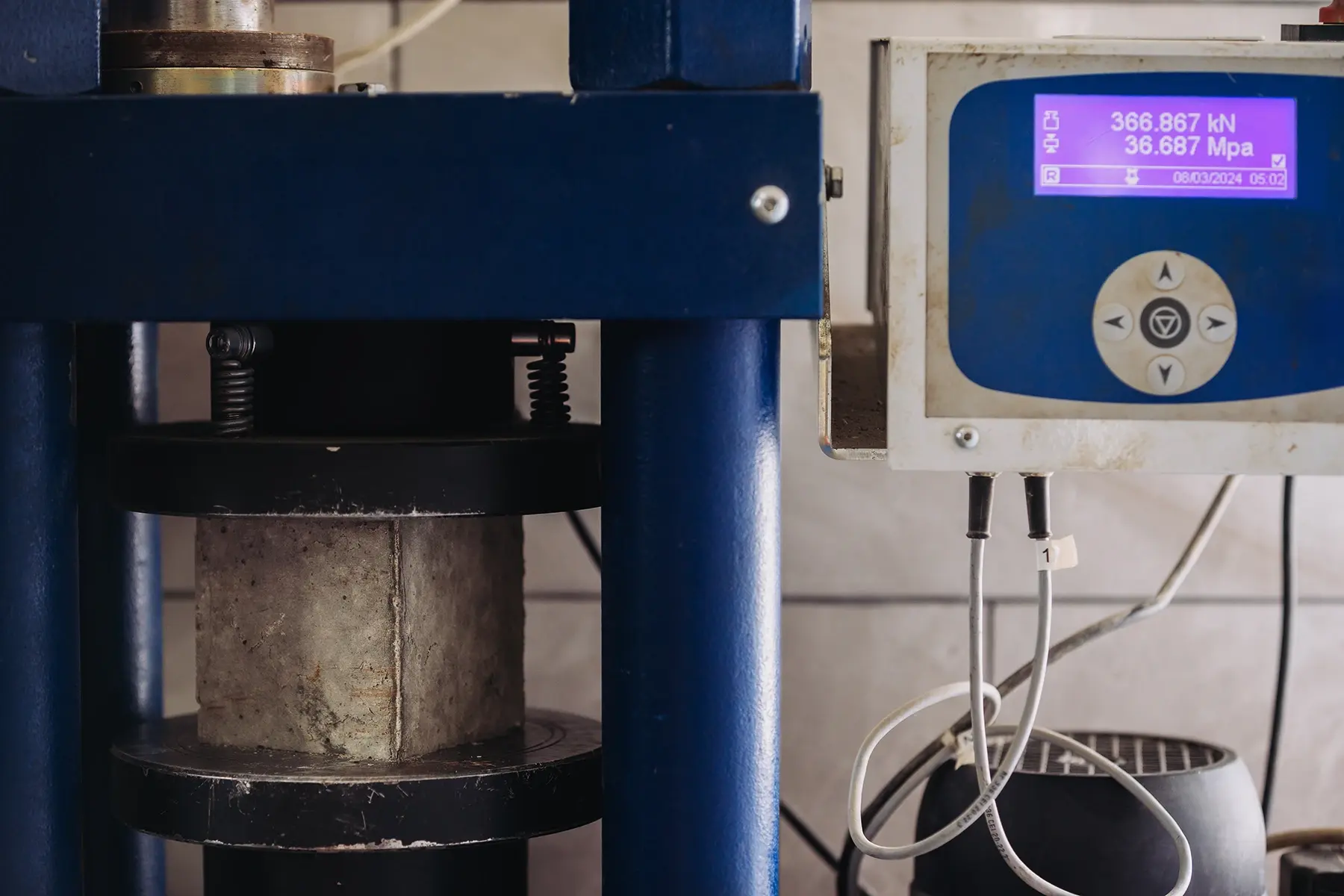
Think about it: if your concrete compression machine reads 10% low, you might prematurely pass a batch of concrete that's actually too weak. Or, conversely, you might reject a perfectly good batch because your equipment reads 10% high, leading to unnecessary waste and project delays. These aren't just minor inconveniences; they translate into massive hidden costs – rework, material waste, extended project timelines, and in the worst-case scenario, structural failure and legal liabilities. Inaccurate measurements are like a slow leak in your profit margins, draining resources you didn't even know you were losing.
The Assurance of Compliance and Quality
Beyond the financial implications, accurate measurements are non-negotiable for compliance. Building codes, engineering specifications, and client expectations all hinge on verifiable data. When your equipment is properly calibrated, you're not just meeting standards; you're exceeding them by providing an undeniable level of quality assurance. It’s the difference between hoping your materials are strong enough and knowing they are. This builds trust with clients, regulators, and most importantly, with the public who will use the structures you help build.
What Construction Materials Testing Equipment Needs Calibration?
Virtually any piece of equipment that provides a quantitative measurement in construction materials testing needs regular calibration. If it gives you a number, it needs to be checked.
Common Equipment Categories
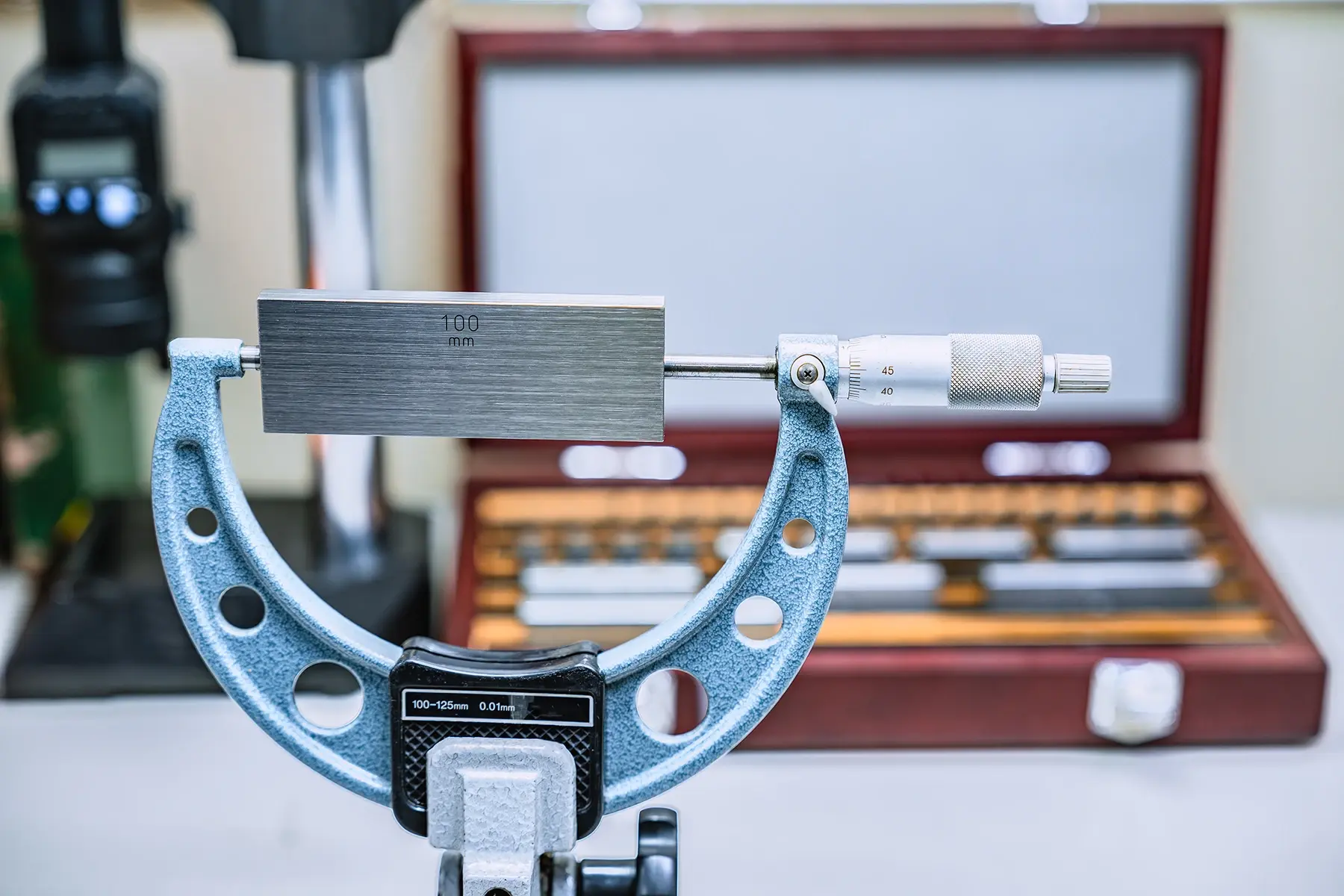
This includes a wide range of devices. Think about compression testing machines for concrete and cylinders, load frames for rebar tensile strength, proctors for soil compaction, pressure gauges and thermometers used in asphalt testing, and even the simple scales and balances used for measuring aggregates or cement. Don't forget ovens for consistent temperature control, sieve shakers, and various length-measuring devices. Each of these, if out of spec, can skew results dramatically. It's like having a symphony where every instrument is slightly out of tune – the whole performance suffers.
Frequency Matters: How Often Should You Calibrate?
There isn't a one-size-fits-all answer here, but general guidelines exist. Most industry standards, like those from ASTM and AASHTO, recommend annual calibration for critical equipment. However, factors like equipment usage (heavy vs. light), environmental conditions (dusty, high vibration), and even manufacturer recommendations can dictate more frequent checks. If you notice any anomalies or suspect a device is off, don't wait for the annual check – get it recalibrated immediately. Think of it like changing the oil in your car; there's a recommended schedule, but you'd check it sooner if the light came on.
The Calibration Process: What to Expect
Understanding the calibration process demystifies it and helps you prepare.
On-Site vs. Off-Site Calibration
You generally have two options. On-site calibration brings the experts and their master equipment to your facility. This is ideal for large, immobile equipment like compression machines, minimizing downtime and logistical headaches. Off-site calibration requires you to ship smaller, portable equipment to the calibration lab. While it might involve some shipping time, it's often more cost-effective for smaller items as the lab environment is typically more controlled. Your choice often depends on the type of equipment and your operational needs.
Traceability: The Gold Standard of Calibration
When your equipment is calibrated, it's not just "adjusted." The measurements are compared against a known standard. The "gold standard" here is traceability. This means that every measurement your calibration provider makes can be traced back through an unbroken chain of comparisons to national or international standards, such as those maintained by NIST (National Institute of Standards and Technology). This ensures that your readings are universally comparable and reliable, providing an undeniable record of accuracy. Always ask your calibration partner about their traceability – it's non-negotiable.
Choosing the Right Calibration Partner: More Than Just a Service
Selecting a calibration partner isn't like picking a random vendor; it's choosing an extension of your quality control team.
Accreditation: Your Assurance of Competence
This is your first and most critical filter. Look for companies accredited to ISO/IEC 17025. This international standard specifically outlines the requirements for the competence of testing and calibration laboratories. It's not just a certificate; it's an independent, rigorous assessment that proves the lab has the technical competence, a robust quality management system, and the ability to produce valid results. Without this accreditation, you have no real guarantee of their capabilities.
Experience and Expertise
Does the company specialize in construction materials testing equipment, or do they calibrate everything from medical devices to industrial scales? A specialist will understand the nuances of your equipment, the specific standards (ASTM, AASHTO) you operate under, and common failure points. Their technicians should be seasoned professionals who've seen it all and can offer insightful advice, not just run a checklist.
Customer Service and Support
Beyond the technicalities, consider the human element. Are they responsive? Do they offer clear communication and transparent pricing? Can they provide emergency services if a critical piece of equipment goes down unexpectedly? A true partner offers ongoing support, detailed documentation, and a willingness to answer your questions, not just deliver a calibration certificate.
Ready to Ensure Your Equipment is Up to Par?
Don't let inaccurate measurements compromise your projects, reputation, or safety. Investing in professional, accredited calibration services is an investment in the integrity of your work. Take the proactive step to ensure your construction materials testing equipment consistently delivers the precise, reliable data you need to build with confidence. Your structures, and your clients, deserve nothing less.