

 Joe Moser - CEO
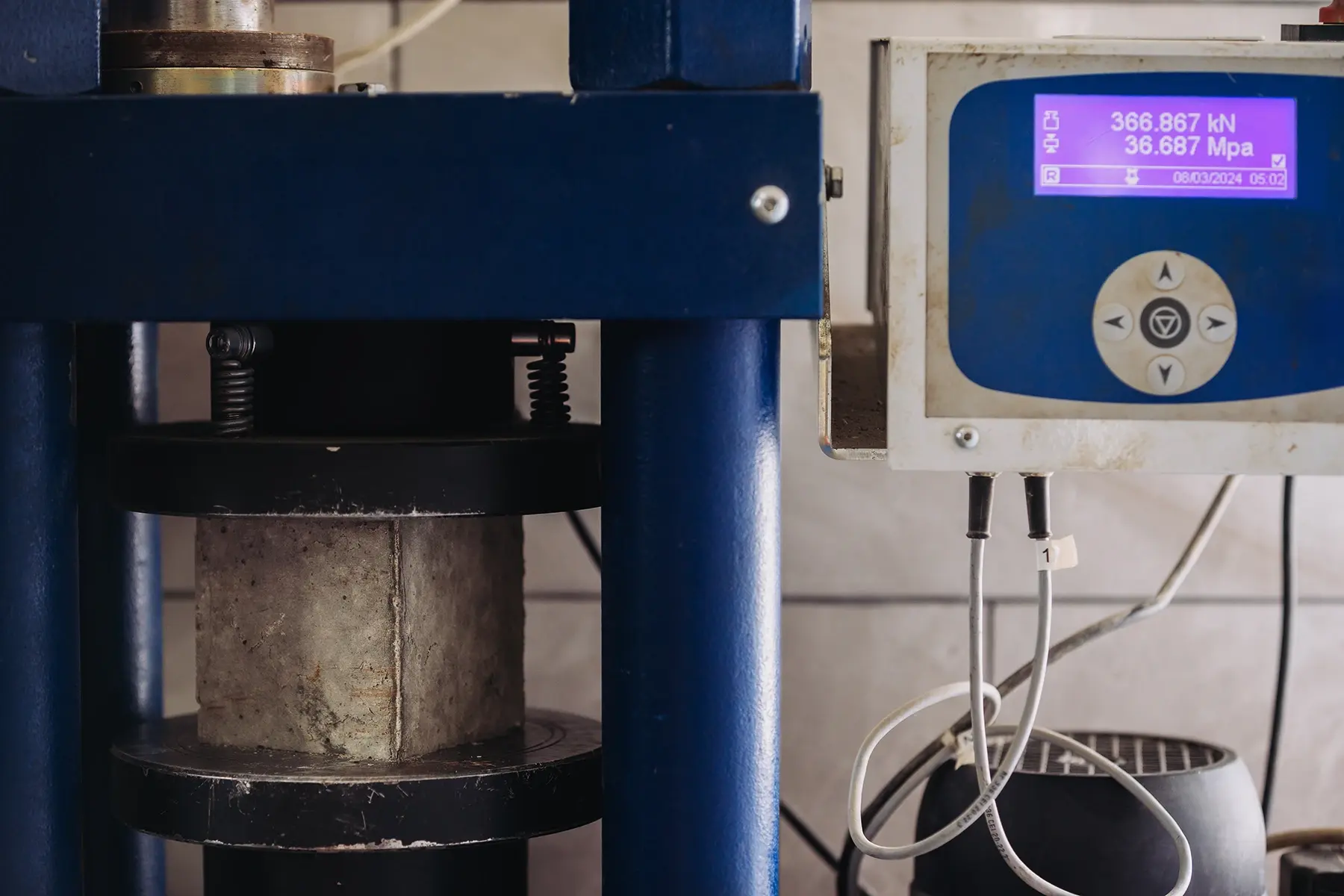
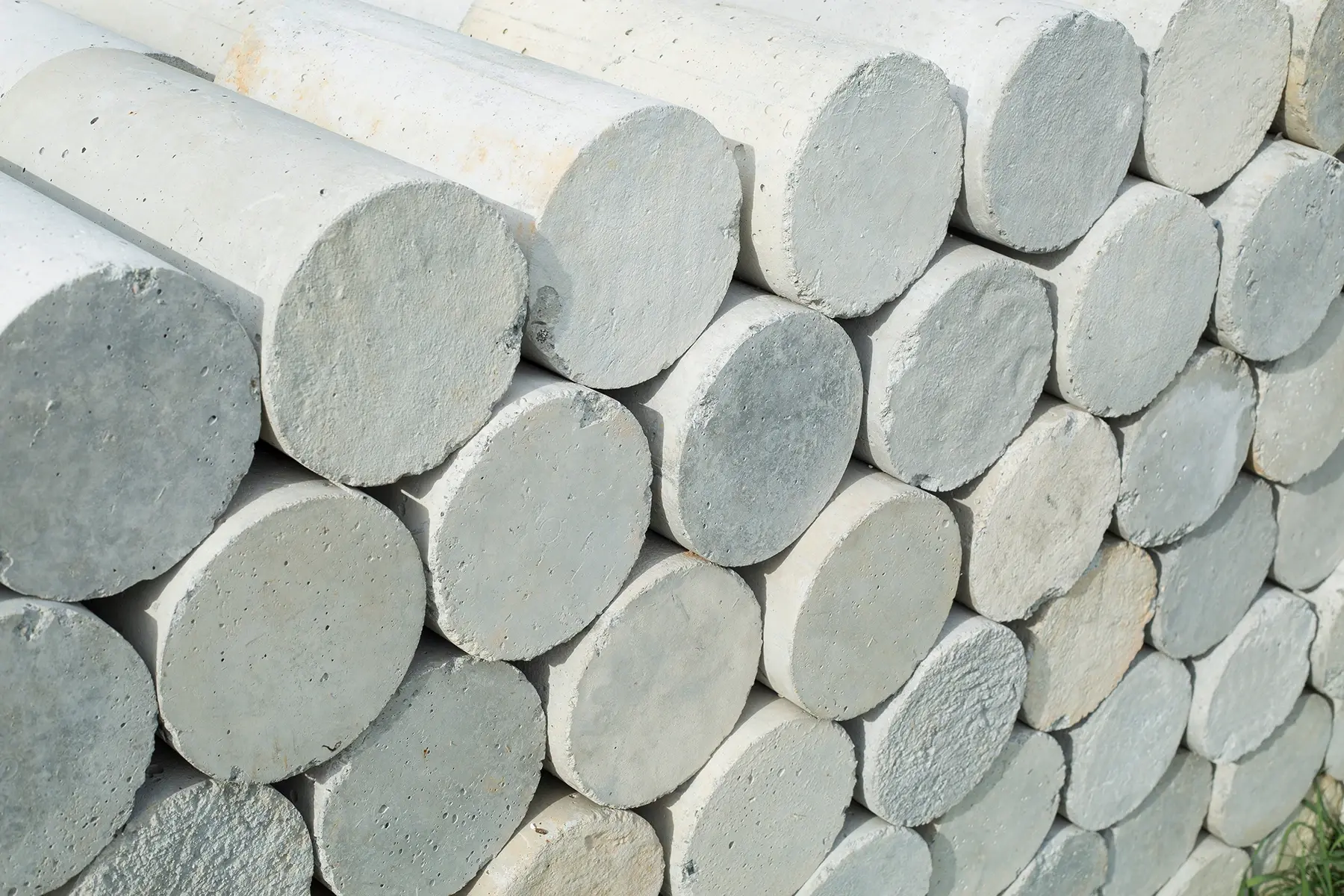
Imagine you're building a skyscraper. The concrete holding that magnificent structure together is the very foundation of its strength and safety. Now, imagine the equipment used to test that concrete isn't giving accurate readings. The implications are staggering, right? This isn't just about passing or failing a test; it's about structural integrity, public safety, and your professional reputation. That's why the calibration of your concrete testing equipment isn't just good practice—it's essential. And it's exactly why this specialized work requires the expertise of an ISO/IEC 17025 accredited calibration laboratory.
Why Calibration Matters for Concrete Quality
Calibration is the silent guardian of quality in the concrete industry. It's the process our experts use to compare the output of your measurement device against known standards, ensuring that your equipment provides accurate readings within specified limits. Without proper calibration, your compressive strength tests, flexural tests, and tensile tests are just numbers on a screen, devoid of true meaning. It's the difference between knowing your concrete can withstand the intended load and merely hoping it can. Accurate calibration performed by accredited professionals is the bedrock upon which reliable results, sound engineering decisions, and ultimately, safe structures are built.
The Anatomy of a Concrete Testing Machine: What We Calibrate
Before we explain how our accredited technicians perform calibration, let's review what they're working with. Understanding the components involved makes it clear why this work demands specialized expertise.
Understanding the key components
A typical concrete testing machine consists of several critical parts: the robust frame housing the testing area, the hydraulic or electromechanical loading system that applies force, and the platen—the hardened steel plates that contact the specimen. Each component plays a role in measurement accuracy.
The role of transducers, displacement sensors, and data acquisition
At the heart of the measurement system are the transducers that convert mechanical force into electrical signals. Our calibration experts focus primarily on these transducers and the data acquisition system, ensuring they report force with absolute accuracy. For certain tests, displacement sensors (like LVDTs or extensometers) also require verification. The data acquisition system acts as the machine's brain, and our technicians ensure every component in this measurement chain is performing within specification.
How Our Accredited Lab Calibrates Your Equipment: Precision You Can Trust
When you partner with an ISO/IEC 17025 accredited calibration laboratory, you're accessing a level of expertise and traceability that simply can't be replicated in-house. Here's what happens when our certified technicians calibrate your concrete testing machine.
Step 1: Preparation and Assessment
Our technicians begin with a thorough preparation protocol. The testing machine is meticulously cleaned, with particular attention to the platens and loading area where any foreign material could interfere with accurate load transfer. We verify the machine is in proper working order—checking for unusual noises, visible leaks in hydraulic systems, and ensuring all safety guards are in place. The machine must reach stable room temperature before calibration begins, as our experts know that temperature fluctuations can significantly affect sensor readings. All necessary tools and calibration standards are gathered, including our certified transducers with their corresponding readouts and traceable calibration certificates.
Step 2: Standards Compliance
Our calibration services strictly adhere to international and national standards. We work primarily with ASTM E4, "Practices for Force Verification of Testing Machines," along with ISO 7500-1 and any applicable local specifications. These standards dictate accuracy requirements, the number of load points to be tested, allowable tolerances, and verification procedures. Our accreditation means we're regularly audited to ensure we follow these standards precisely—giving you confidence that isn't possible with informal calibration approaches. Our technicians stay current with the latest revisions and requirements, so you don't have to.
Step 3: Equipment Verification
Before placing primary calibration standards, our technicians perform a comprehensive preliminary check of your machine's functionality. This includes running low-load cycles to ensure smooth operation, checking for excessive platen movement or binding, confirming hydraulic oil levels and pressure gauge function, and verifying electro-mechanical motors and drive systems operate smoothly. This step catches obvious mechanical issues before investing time in precise calibration—and often reveals problems you didn't know existed.
Step 4: Load Application and Measurement
This is where our expertise truly shines. Our certified transducer with its own traceable calibration certificate is placed precisely between your machine's platens. We then apply specific loads at multiple points across the operating range, exactly as prescribed by ASTM E4 and other relevant standards. Typically, this includes loads at 10%, 20%, 40%, 60%, 80%, and 100% of the machine's maximum capacity. At each load point, our technicians simultaneously record readings from your machine's display and from our certified standard. This direct comparison is critical, and our experience ensures the process is executed flawlessly. We perform the required number of repetitions at each load point, following the standard's specifications to the letter.
Step 5: Data Analysis and Adjustment
Once all load points have been measured and recorded, our experts meticulously analyze the data. We compare your machine's readings against the "true" readings from our certified standards, calculating the error at each point. ASTM E4 specifies allowable percentages of error for different load ranges, and our technicians know these tolerances intimately. If errors fall within acceptable limits, your machine passes. If not, our qualified technicians make precise adjustments using the machine's digital calibration routines, fine-tuning the transducer's signal conditioning or control parameters. This iterative process of measurement, analysis, and adjustment continues until your machine consistently meets the required accuracy standards. This is highly specialized work—one misstep can compromise accuracy or even damage sensitive equipment.
Step 6: Documentation and Certification
Every accredited calibration concludes with comprehensive documentation that stands up to the most rigorous audits. We record every detail: calibration date, technician identity, testing machine serial number, serial numbers and calibration certificates of all standards used, environmental conditions, and all raw data. Most importantly, we issue an official calibration certificate stating that your machine has been verified against traceable standards and meets the requirements of specified standards like ASTM E4. This certificate is your proof of precision and is often required for accreditation and quality audits. Our accreditation means our certificates carry weight with auditors, regulatory bodies, and your clients.
Common Pitfalls of Informal Calibration
Many organizations attempt to perform calibration in-house or use non-accredited services to save costs. Here's what they often overlook:
Environmental factors matter more than you think
Temperature fluctuations, humidity, and vibrations can subtly influence sensor readings. Our accredited labs maintain controlled environments and document conditions throughout the calibration process—something rarely possible in field conditions or general workshops.
Documentation is your liability shield
Incomplete or improper documentation makes it impossible to trace issues, prove compliance, or track machine performance over time. When audits come or structural failures occur, sloppy documentation becomes a professional liability. Our ISO/IEC 17025 accreditation requires meticulous record-keeping that protects you.
Unqualified personnel create hidden risks
Calibration is a specialized skill requiring extensive training, regular competency assessments, and familiarity with constantly evolving standards. Well-meaning but unqualified individuals create a false sense of security—your equipment appears calibrated, but the work may not withstand scrutiny. Our technicians undergo rigorous training and regular proficiency testing to maintain their certifications.
Beyond the Basics: What Makes Accredited Calibration Different
Traceability to national standards
When we calibrate your equipment, the measurements trace back through an unbroken chain to national or international standards maintained by organizations like NIST. This traceability isn't just a nice-to-have—it's what makes your test results defensible in court, acceptable to regulatory bodies, and trusted by your clients.
Regular frequency assessments
While most standards recommend annual calibration, our experts help you determine the right frequency based on your usage patterns, critical applications, and historical performance. Heavy usage, critical applications, or a history of drift might warrant more frequent checks. We work with you to develop a calibration schedule that balances risk management with operational needs and budget considerations.
Equipment health monitoring
Our calibration service isn't just about certification—it's about partnership. We track your equipment's performance over time, identifying drift patterns or degradation before they cause failed tests or rejected projects. This predictive approach saves you money and headaches.
Your Concrete, Your Reputation: Partner with Accredited Experts
The calibration of concrete testing equipment might seem like a routine maintenance task, but its value cannot be overstated. It is the invisible thread that connects a laboratory test result to the real-world performance and safety of a structure. The complexity, precision, and regulatory requirements involved make this work best suited for ISO/IEC 17025 accredited professionals who do this every day.
By partnering with an accredited calibration laboratory, you're not just checking a box—you're upholding standards, ensuring reliability, and ultimately, protecting lives and your professional reputation. You gain peace of mind knowing your equipment meets exacting standards, your documentation will withstand any audit, and your test results are truly meaningful.
Ready to ensure your construction materials testing equipment is always audit-ready? Contact our experts today, and we'll connect you with one of our ISO/IEC 17025 accredited branches. Let us handle the precision work, so you can focus on what you do best—delivering quality concrete testing services your clients can trust.