

8 min read
Temperature Calibration: What is it, Why It Matters, and When It’s Needed
 Joe Moser - CEO
Published
Updated
Joe Moser - CEO
Published
Updated
Temperature Calibration: Why It Matters and When to Calibrate
When your manufacturing process depends on precise temperatures, or when patient safety relies on accurate readings from medical equipment, temperature calibration becomes more than just routine maintenance—it becomes critical to your success. Whether you're running a pharmaceutical laboratory, managing a food processing facility, or maintaining HVAC systems, understanding when and why to calibrate your temperature instruments can mean the difference between quality results and costly failures.
What is Temperature Calibration?
Temperature calibration is the process of comparing your temperature measuring instrument against a known, traceable standard to determine its accuracy. Think of it like setting your watch to atomic time—you're ensuring your instrument reads the same temperature as a certified reference standard under the same conditions.
During calibration, technicians expose both your instrument and a calibrated reference standard to the same temperature source. Any difference between the readings reveals how far off your instrument has drifted from true accuracy. This comparison allows you to either adjust your instrument back to proper readings or understand exactly how much error to account for in your measurements.
The process relies on standards that are traceable to national measurement institutes, creating an unbroken chain of comparisons that ultimately connects your everyday thermometer to the most precise temperature measurements available.
What is the difference between comparison calibration, fixed-point calibration, and simulator-based calibration?
Comparing Key Temperature Calibration Methods
Not all temperature calibration methods are created equal—they each suit different scenarios and accuracy requirements. Here’s how the most common approaches stack up:
-
Comparison Calibration: Imagine placing your thermometer side-by-side with a trusted, highly accurate reference thermometer, both sitting together in a controlled environment—like a dry-well or a stirred liquid bath. Technicians check readings at multiple temperatures. It’s the industry workhorse, ideal for regular calibration of field and process instruments.
-
Fixed-Point Calibration: When you need world-class precision, fixed-point calibration stands above the rest. This method uses substances—like pure water or gallium—that melt or freeze at precisely known temperatures. Laboratories, such as those accredited by NIST or UK’s NPL, use these “fixed points” as gold standards for calibrating reference thermometers or setting baseline values for other labs.
-
Simulator-Based Calibration: Sometimes, you just want to check the electronics, not the sensor itself. A simulator sends a carefully crafted electrical signal (such as voltage or resistance) directly into the instrument’s readout or controller, mimicking what the sensor would produce at a specific temperature. This can quickly verify display accuracy, but it doesn’t account for any potential sensor issues.
Selecting the right approach means understanding your accuracy needs, your risk tolerance, and whether you’re testing the whole measurement chain or just a piece of it.
Why Temperature Calibration Is Important
Temperature calibration serves as your insurance policy against measurement errors that can cascade into significant problems. Accurate temperature readings protect your processes, products, and people while ensuring you meet regulatory requirements that govern your industry.
Ensuring Accuracy and Quality in Processes
Temperature errors can devastate manufacturing processes and product quality in ways that aren't always immediately obvious. In pharmaceutical manufacturing, a deviation of just a few degrees during drug synthesis can create impurities that render entire batches unusable. Food processing facilities depend on precise temperatures for pasteurization—too low, and harmful bacteria survive; too high, and nutritional value and taste suffer.
Consider a heat treatment process for metal parts where temperatures must reach exactly 850°C. If your measuring instrument reads 850°C but actually measures 830°C due to calibration drift, your parts won't achieve proper hardness specifications. You might not discover this error until parts fail in the field, leading to warranty claims, recalls, and damaged reputation.
Laboratory environments face similar risks. Research results become unreliable when temperature measurements drift from true values, potentially invalidating months of work and leading to incorrect conclusions that could affect future research directions.
Safety and Regulatory Compliance
Many industries operate under strict regulatory frameworks that legally require calibrated temperature instruments. The FDA mandates temperature calibration for pharmaceutical and medical device manufacturers under Good Manufacturing Practice (GMP) regulations. Food safety regulations like HACCP require verified temperature monitoring throughout production and storage.
Aerospace and defense contractors must meet stringent quality standards that include calibrated measuring equipment. ISO 9001 quality management systems specifically require organizations to ensure measurement equipment remains accurate throughout its use.
Beyond compliance, safety considerations make temperature calibration essential. Hospital incubators protecting premature infants, autoclave sterilization systems, and chemical process control systems all depend on accurate temperature measurement to prevent harm.
What Type of Instruments are Used for Temperature Calibration?
Temperature calibration encompasses a wide range of instruments, each requiring specific calibration approaches:
Thermocouples remain the most common industrial temperature sensors, used in everything from furnace control to scientific research. Their rugged construction and wide temperature range make them ideal for harsh environments.
Resistance Temperature Detectors (RTDs) provide higher accuracy than thermocouples and excel in precision applications like pharmaceutical manufacturing and laboratory work.
Thermistors offer excellent sensitivity for narrow temperature ranges, commonly found in medical equipment and consumer electronics.
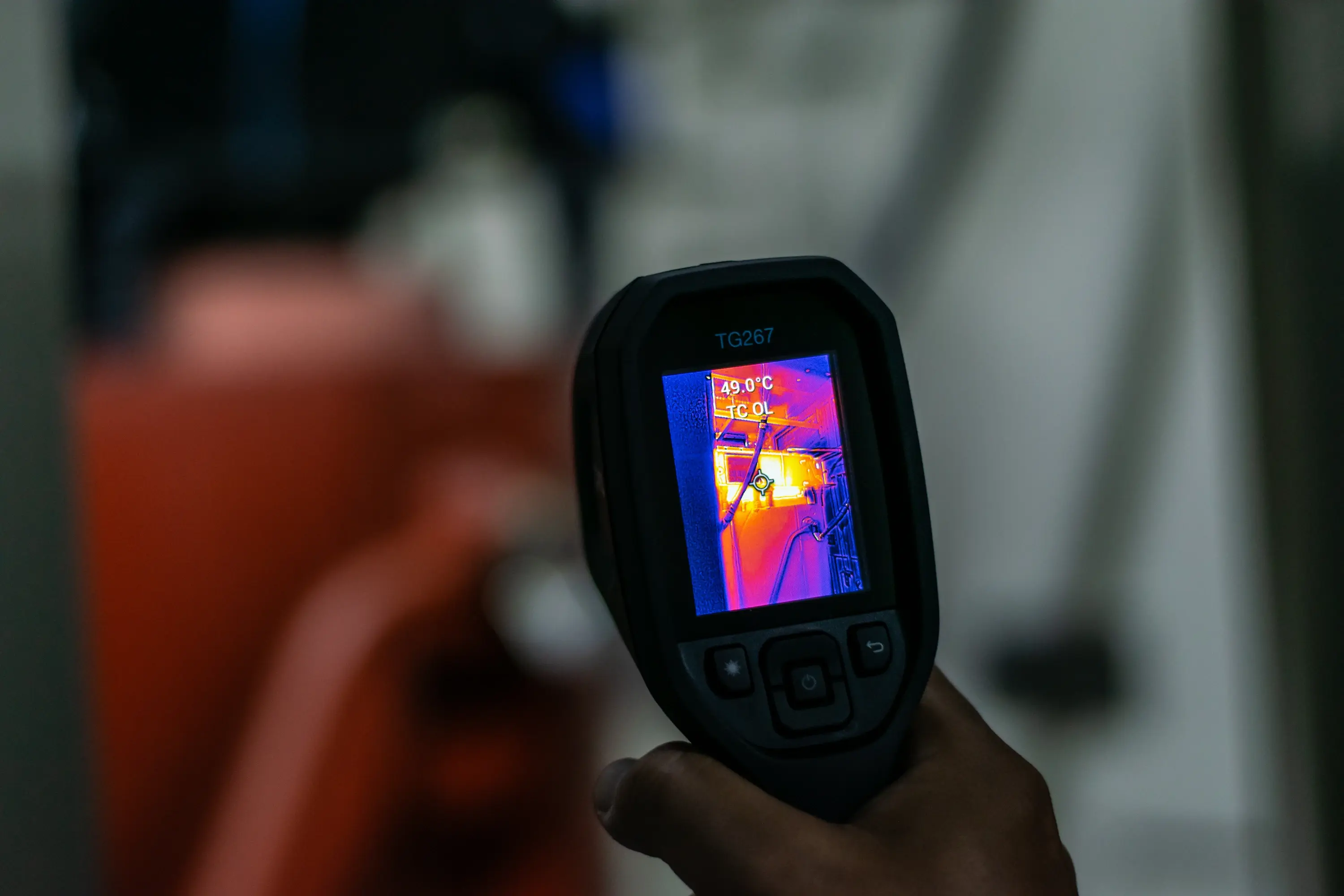
Infrared thermometers and thermal cameras require specialized calibration using blackbody radiation sources to ensure accurate non-contact temperature measurement.
Digital thermometers, temperature controllers, data loggers, and environmental chambers all contain temperature sensing elements that benefit from regular calibration verification.
Bimetallic and liquid-filled dial thermometers may seem simple, but they still require calibration to maintain accuracy in HVAC, food service, and general industrial applications.
When Should You Calibrate Temperature Equipment?
Temperature calibration isn't a one-time event—it's an ongoing responsibility that requires careful scheduling to maintain measurement accuracy without disrupting operations.
Most organizations follow annual calibration schedules as a baseline, but this interval should be adjusted based on several factors. Critical measurement applications may require more frequent calibration—every six months or even quarterly for instruments that directly impact product quality or safety.
Environmental conditions significantly affect calibration intervals. Instruments exposed to vibration, temperature extremes, humidity, or corrosive atmospheres will drift faster than those in controlled laboratory conditions. Manufacturing environments typically demand more frequent calibration than office settings.
You should immediately recalibrate temperature instruments after any physical damage, suspected exposure to conditions beyond their specifications, or whenever measurement results seem questionable. If your instrument has been dropped, exposed to excessive heat, or shows readings that don't match expectations, don't wait for the next scheduled calibration.
Usage patterns also matter. Instruments used continuously will generally require more frequent calibration than those used occasionally. High-precision applications demand shorter intervals than general-purpose measurements.
Some organizations adopt risk-based calibration approaches, analyzing the consequences of measurement errors to determine optimal calibration frequencies. Critical measurements receive more frequent attention, while less important measurements might extend to longer intervals.
How can users monitor instrument stability and optimize calibration intervals using control charts or drift analysis?
Optimizing Calibration with Control Charts and Drift Analysis
Instead of simply relying on a calendar, savvy organizations use data-driven methods to keep a finger on the pulse of instrument stability. Tools like control charts and drift analysis are especially valuable for optimizing calibration intervals while maintaining confidence in your readings.
Control charts let you track calibration results over time, visually flagging any trends or sudden changes. By plotting each instrument’s calibration data after every cycle—using software or even a spreadsheet—it's easy to spot if the sensor starts to stray from its ideal readings. If results consistently trend toward the upper or lower action limits, that's a sure sign calibration should happen more frequently.
Drift analysis takes this idea a step further. By analyzing changes in measurement accuracy across multiple calibration events, you can quantify exactly how fast your instrument’s performance is changing. For example:
-
If a thermocouple’s drift remains within tight tolerances year after year, you might safely extend its calibration interval.
-
On the other hand, if an RTD or data logger starts to display erratic changes, it’s time to tighten up the schedule or investigate possible causes like harsh environmental exposure or mechanical stress.
These proactive approaches don’t just benefit technicians—they help managers fine-tune maintenance schedules, reduce unnecessary downtime, and redirect resources to where they’re truly needed. If you want confidence your process is dialed in, control charts and drift analysis offer an objective way to back up every calibration decision.
How Temperature Calibration Works
Professional temperature calibration follows a systematic process designed to provide accurate, traceable results while minimizing disruption to your operations.
The process begins with documentation review, where technicians examine your instrument's calibration history, specifications, and intended use. This information helps determine the appropriate calibration points and accuracy requirements.
Technicians then perform initial "as found" measurements to document your instrument's condition before any adjustments. These measurements reveal how much your instrument has drifted since the last calibration, providing valuable information about its stability and performance trends.
The actual calibration involves exposing your instrument and a certified reference standard to identical temperature conditions. This typically occurs in a temperature bath, dry-well calibrator, or environmental chamber, depending on your instrument type and required temperature range.
Multiple temperature points across your instrument's operating range are tested to ensure accuracy throughout its full span. The number of points and specific temperatures depend on your application requirements and industry standards.
After completing measurements, technicians analyze the data to determine if your instrument meets its accuracy specifications. If adjustments are possible and necessary, they'll fine-tune the instrument to restore proper accuracy.
Finally, you receive a detailed calibration certificate documenting the procedures performed, measurement results, and traceability information. This certificate serves as evidence of compliance and provides the measurement uncertainty information needed for quality system requirements.
How can digital calibration management tools help streamline calibration processes?
Digital Calibration Management Tools: Simplifying the Process
Modern digital calibration management tools are changing the game for organizations looking to streamline their calibration workflows. These platforms bring key tasks—like scheduling, documentation, compliance tracking, and record-keeping—into a single, centralized interface.
Some major benefits of using these digital solutions include:
-
Automated Scheduling: Receive reminders and manage calibration intervals for each instrument automatically, reducing the risk of missing critical calibrations.
-
Real-Time Compliance Monitoring: Easily track the status of all instruments across multiple locations, ensuring you remain audit-ready at all times.
-
Centralized Documentation: Store calibration certificates, historical records, and traceability information in a searchable, secure digital archive—no more lost paperwork.
-
Mobile Access: Technicians and managers can update records or review documentation from the field, no matter where instruments are located.
-
Customizable Reporting: Generate compliance and performance reports tailored to your organization's needs with just a few clicks.
Embracing these digital tools not only reduces administrative burdens but also improves traceability, enhances transparency, and helps safeguard the accuracy of your temperature measurement systems.
Accredited Labs Temperature Calibration Services
Accredited Labs brings decades of measurement expertise to temperature calibration through our network of specialized calibration companies, serving industries nationwide with comprehensive calibration solutions that keep your operations running smoothly and compliant.
Our ISO/IEC 17025 accredited laboratories maintain the highest standards for measurement traceability, ensuring your calibration certificates meet the most demanding regulatory requirements. We calibrate temperature instruments across the full range of industrial and laboratory applications, from simple dial thermometers to sophisticated thermal imaging systems.
We understand that downtime costs money, which is why our network offers both in-house laboratory services and on-site calibration options. Our mobile calibration units bring laboratory-grade accuracy directly to your facility, minimizing instrument downtime and transportation risks.
Our experienced technicians work with all major temperature instrument types and brands, providing calibration services that meet manufacturer specifications and industry standards. We maintain extensive capabilities including temperature baths, dry-well calibrators, and environmental chambers to handle virtually any temperature calibration requirement.
Beyond calibration, we provide consultation on measurement uncertainty, calibration intervals, and compliance requirements. Our technical experts help you optimize your calibration program to balance accuracy requirements with operational efficiency.
How do low measurement uncertainties reflect on a calibration provider’s capabilities?
Why Measurement Uncertainty Matters
When you’re evaluating calibration providers, pay close attention to the measurement uncertainties they specify. Low measurement uncertainty isn’t just a technical number—it's a reflection of the provider’s technical competence and the precision of their equipment, reference standards, and processes.
In practical terms, a provider with lower measurement uncertainty can verify your instruments to tighter tolerances, giving you greater confidence in your results. This is especially important for sectors like pharmaceuticals, aerospace, and advanced manufacturing, where even minor errors can have significant consequences.
Laboratories with low measurement uncertainties typically invest in advanced calibration equipment, follow rigorous procedures, and participate in proficiency testing with organizations like NIST. Choosing such a provider means your instruments are benchmarked against the highest standards of accuracy, supporting your compliance, process control, and product quality goals.
Choosing a Temperature Calibration Service Provider
Selecting the right calibration partner significantly impacts your measurement quality, regulatory compliance, and operational efficiency. Several key factors should guide your decision.
Accreditation represents the foundation of reliable calibration services. Look for providers with ISO/IEC 17025 accreditation, which demonstrates their technical competence and quality management systems meet international standards. Verify that their scope of accreditation covers your specific instrument types and measurement ranges.
Technical expertise matters as much as accreditation. Your calibration provider should understand your industry's requirements, measurement applications, and regulatory environment. They should be able to recommend appropriate calibration intervals, help you interpret uncertainty statements, and provide guidance on measurement best practices.
Turnaround time directly affects your operations. Understand the provider's typical service times and their ability to handle urgent requests. Some providers offer expedited services for critical instruments, while others might provide loaner equipment to minimize downtime.
Geographic coverage influences convenience and cost. Local providers often offer faster service and lower transportation costs, while national providers might offer more consistent service quality across multiple locations.
Quality of documentation reflects the provider's attention to detail and understanding of regulatory requirements. Calibration certificates should include all necessary information for compliance and provide clear, understandable results.
Consider the provider's range of services beyond basic calibration. Can they repair instruments, provide training, or offer technical consulting? A comprehensive service provider can become a valuable long-term partner rather than just a vendor.
Finally, evaluate their customer service and responsiveness. Temperature calibration is often time-sensitive, and you need a provider who understands your urgency and communicates clearly throughout the process.
Within the Accredited Labs network, several specialized calibration companies provide temperature calibration services, to include Aldinger, Cal Tec Process Management, Cal-Cert, CSI, Huston-DePue, Instrument Technologies, OCS Technologies, Precision Calibration Systems, Quality Surveillance Inc., Servo Innovations, Trident Calibration Labs, and Washington Calibration. Our network partners combine local expertise with the backing of our comprehensive quality standards and technical resources. Discover how our specialized partners can help maintain the accuracy and compliance of your temperature measuring instruments.